
COURSE DESCRIPTION
Dates
2026: 17.08.2026 – 22.08.2026
2027: 18.01.2027 – 23.01.2027 | 15.02.2027 – 20.02.2027 | 08.03.2027 – 13.03.2027 | 12.04.2027 – 17.04.2027 | 17.05.2027 – 22.05.2027 | 14.06.2027 – 19.06.2027 | 20.09.2027 – 25.09.2027 | 18.10.2027 – 23.10.2027 | 15.11.2027 – 20.11.2027 | 06.12.2027 – 11.12.2027
2028: To be announced (Ask for dates)
Intro
Are you ready to inspire creativity and ignite meaningful discussions in your classroom?
“Critical Thinking Through Art” invites educators to explore the intersection of art and analytical thought.
This course encompasses a diverse range of projects, such as place-based learning in galleries, interdisciplinary art analysis, and collaborative art-making, to help you foster creativity. Discover how to use simple, artistic frameworks to foster critical thinking and cross-cultural empathy.
Who is this for?
This course is tailored for education, cultural and youth professionals of all levels – including teachers, leaders, counselors, mentors, camp leaders, extracurricular activity coordinators, and more – who want to harness the potential of art in education.
No prior art expertise is required. Just curiosity and a willingness to explore creative processes. Participants will benefit from an international learning experience while traveling with Erasmus+.
Objectives
By the end of this course, participants will be able to:
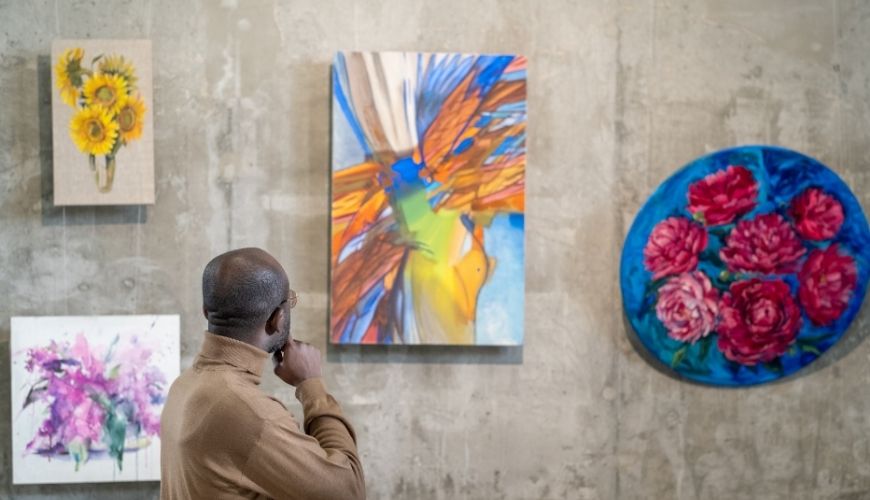
- Understand art observation: Find out about the benefits of using visual art observation to stimulate classroom discussions.
- Develop critical thinking: Explore the role of art in enhancing analytical thought and problem-solving skills.
- Encourage creative innovation: Work on integrating creative processes and innovation into your daily teaching.
- Analyze and interpret: Interpret various artworks to promote deeper comprehension and cross-cultural perspectives.
- Design interdisciplinary projects: Develop practical strategies for merging art with history, science, literature, and other subjects.
- Facilitate place-based learning: Leverage local museums and galleries as dynamic extensions of your classroom.
Modules
- Module 1: The power of art in education. Explore the value of art in fostering critical thinking and discuss its role across European educational systems.
- Module 2: Art as a catalyst. Analyze artworks to stimulate problem-solving and practice critical thinking routines through a local gallery visit.
- Module 3: Interdisciplinary approaches. Integrate art across various subjects and design collaborative cross-curricular projects.
- Module 4: Appreciation and analysis. Learn techniques for interpreting artworks, facilitating debates, and conducting art-based assessments.
- Module 5: Hands-on art experiences. Engage in art-making activities to promote self-expression and apply artistic processes to analytical thought.
- Module 6: Practical implementation. Develop concrete lesson plans, share best practices with European peers, and build collaborative art-driven initiatives.
Course Outcomes
- Build a practical artistic toolkit: Explore accessible analysis routines and practical activities that can be adapted to different learning contexts.
- Enhance intercultural literacy: Gain the critical tools necessary to guide youth safely and effectively in cross-cultural dialogues and European initiatives.
- Drive creative transformation: Build confidence in using art-based assessments, supporting innovation and well-being within your institution.
- Empower youth/student voices: Shift young people from passive learners into active creators and analytical thinkers by modeling creative expression.
- Promote positive school/organizational culture: Use artistic activities to encourage creativity, critical thinking, empathy, and meaningful participation within the learning community.
- Exchange European best practices: Connect with an international network of educators and youth workers, sharing strategies and building long-lasting cross-border partnerships.
Equipment
No special equipment is required. All necessary materials will be provided during the course.
See all available Erasmus+ courses we offer.
Destination:
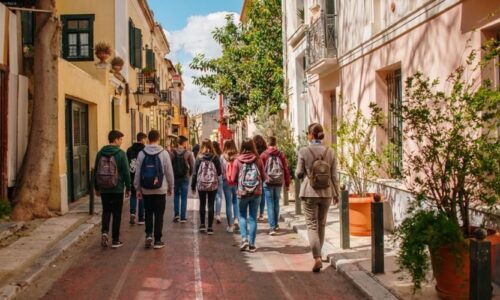
Athens. The city with the most glorious history in the world, a city worshipped by gods and people, a magical city. The enchanting capital of Greece has always been a birthplace for civilization. It is the city where democracy was born and most of the wise men of ancient times. The most important civilization of ancient world flourished in Athens and relives through some of the world’s most formidable edifices.
Who hasn’t heard of the Acropolis of Athens? Photos and history of the most famous archaeological monument in Europe is admired by thousands of people. Acropolis is nominated to be one of the 7 wonders of modern world. In fact the trademark of Athens is one of the favorites. The Holy Rock of Acropolis dates back to the 5th BC, the famous Golden Age of Periklis. Athens met times of bloom and decline, but still shines under the Attic sky gazing the future. Still sparkling like the marbles of Parthenon and the limpid white of Pentelic marble.
Pre-book this course! We will get back to you as soon as possible with further details. Reserve your place now!
Course Features
- Lecture 0
- Quiz 0
- Duration 1 week
- Skill level All levels
- Language English
- Students 15
- Assessments Yes