

COURSE DESCRIPTION
Dates
2026: 20.07.2026 – 25.07.2026 | 31.08.2026 – 05.09.2026
2027: 29.03.2027 – 03.04.2027 | 19.04.2027 – 24.04.2027 | 17.05.2027 – 22.05.2027 | 19.07.2027 – 24.07.2027 | 16.08.2027 – 21.08.2027 | 06.09.2027 – 11.09.2027
2028: To be announced (Ask for dates)
Intro
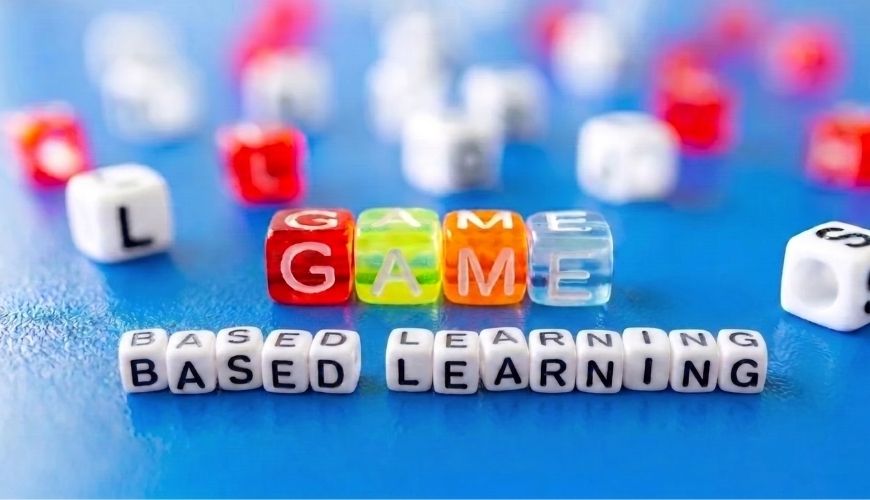
“Game-Based Learning” is a practical course designed to help educators, youth workers and cultural activity creators bring their material to life through games.
You will explore a wide range of games, including classic board games, custom card decks, wide outdoor games, escape rooms, and improvisation games, and discover how play builds resilience, teamwork, and active learning.
Who is this for?
This course is tailored for education, cultural and youth professionals of all levels – including teachers, leaders, counselors, mentors, camp leaders, extracurricular activity coordinators, and more – who want to bring meaningful play into their activities.
Participants will benefit from an international learning experience while traveling with Erasmus+.
Objectives
By the end of this course, participants will be able to:
- Understand the power of play: Explore how games have evolved from ancient rituals to modern tools that support healthy childhood development.
- Build student resilience: Discover how healthy challenges, clear rules, and playful trial-and-error help students and youth manage frustration, learn from setbacks, and build confidence.
- Adapt diverse game formats: Explore a variety of formats – from tabletop cards and board games to outdoor challenges and performative improvisation games – and adapt them to your curriculum.
- Transmit cultural heritage: Discover traditional European games shared by fellow educators and integrate them into your lessons.
- Structure a playful space: Organize your physical space, lesson plans and activities around interactive challenges, team roles, and story-driven activities.
Modules
- Module 1: The history and psychology of play. Discover the world’s oldest board games and how play shapes human development. Explore why humans of all ages need healthy challenges and unstructured play to build social competence, emotional regulation, and resilience.
- Module 2: Tabletop and printable card games. Deconstruct classic board games and learn how to design custom card activities for your curriculum. Use simple AI tools to brainstorm rules, write card text, and generate ready-to-print game templates.
- Module 3: Wide games and escape rooms. Step away from the desk! Learn how to design wide outdoor games inspired by camp traditions, town-based discovery quests, and story-driven classroom escape rooms that teach problem-solving and teamwork.
- Module 4: Performative and storytelling games. Explore improvisation games, mad libs, roleplay, and quick verbal challenges. Discover how performative play fosters inclusion, builds confidence, and makes any subject come alive.
- Module 5: Digital games. Discover how to effortlessly incorporate simple video games, interactive projector activities, and digital tools into your lessons to captivate students and boost classroom engagement.
- Module 6: European game heritage and the Community Arcade. Share childhood games and local traditions with peers from across Europe. Put your ideas into practice by organizing a complete game-based activity plan and testing your creations in a collaborative group session.
Course Outcomes
- Build a physical game portfolio: Walk away with a personalized collection of ready-to-print card templates, board game ideas, and outdoor activity plans.
- Foster resilient and active learners: Gain strategies to help youth move from passive listeners to active, resilient problem-solvers who embrace challenges.
- Master practical AI assistance: Learn how to use simple web-based AI tools as a creative assistant to quickly generate game rules, assets, and lesson materials.
- Drive innovation and school/institution culture: Gain total confidence in structuring engaging, play-based activities that foster well-being and positive citizenship in your school.
- Enrich lessons across subjects: Discover how to adapt physical and tabletop game formats to make science, math, history, and languages memorable and fun.
- Exchange European best practices: Connect with an international network of European educators, sharing traditional games and building cross-border partnerships.
Equipment
Participants will need to bring their laptop so that web-based AI tools and game templates can be utilized effectively during the course.
See all available Erasmus+ courses we offer.
Destination:
Corfu is a beautiful green island, which enjoys a mild Mediterranean climate. Corfu is a very popular tourist destination. Up until the early 20th century, it was mainly visited by the European royals and elites. It is still popular with the global elite. The island’s history is laden with battles and conquests. Corfu was long controlled by Venice and repulsed several Turkish sieges, before falling under British rule following the Napoleonic Wars. Corfu was eventually ceded by the British Empire along with the remaining islands of the United States of the Ionian Islands, and unification with modern Greece was concluded in 1864 under the Treaty of London. Corfu is renowned for its long tradition and rich culture which is unlike any other Greek island. In 2007, the city’s old city was designated as a UNESCO World Heritage site. Here you will also discover a compact world of beautiful beaches and stunning mountain peaks, ancient ruins and picturesque villages. There is something for everyone on the island, whether you prefer peace and quiet or a lively cosmopolitan destination.
Pre-book this course! We will get back to you as soon as possible with further details. Reserve your place now!
Course Features
- Lecture 0
- Quiz 0
- Duration 1 week
- Skill level All levels
- Language English
- Students 15
- Assessments Yes